
Understanding the Egg Donation Process Duration and Overview

When intended parents and prospective participants first begin researching the path of assisted reproduction, one of the most frequent questions that arises is how long the entire procedure actually takes. Navigating this journey requires a comprehensive understanding of the structural stages involved, because the overall experience is rarely a quick or uniform event. In clinical practice, the egg-donation timeline has two distinct parts: donor screening and matching before the cycle, then ovarian stimulation and egg retrieval. Because the length of the first part varies significantly by clinic protocols and donor availability, there is no single universal answer to “how long does egg donation take.” Recognizing these structural divisions helps families and donors set realistic expectations from the very beginning.
A very common timeline mistake is to count only the days of ovarian stimulation, assuming that the journey begins on day one of hormone injections and concludes a couple of weeks later at retrieval. In reality, screening, legal consent, donor matching, recipient preparation, embryo development, and any subsequent frozen transfer are separate steps and may extend the end-to-end timeline considerably. If you measure the duration solely by the active medical cycle, you overlook the extensive administrative, psychological, and diagnostic groundwork that must take place before a single medication is administered. Proper coordination through a structured Donor program often helps streamline these initial administrative phases, ensuring that medical clearances and legal frameworks align smoothly before clinical steps commence.
To truly comprehend the duration of the journey, it helps to dissect the preliminary phase. Before any synchronization or hormonal treatment can begin, the donor must undergo a rigorous evaluation process. This screening includes comprehensive infectious disease testing, genetic screening, psychological counseling, and a full reproductive health assessment to ensure ovarian reserve meets the necessary clinical standards. Simultaneously, intended parents undergo their own medical evaluations, and legal agreements between all parties must be finalized. Depending on whether you are working with a known donor or selecting someone from an agency or clinic database, donor availability can introduce waiting periods that span weeks or even several months. Regulatory bodies, such as the Human Fertilisation and Embryology Authority (HFEA), outline stringent standards for donor screening and traceability, which underscores why this foundational phase cannot and should not be rushed.
Once the screening, matching, and legal clearances are successfully completed, the medical phase of the cycle officially begins. This second major part encompasses ovarian stimulation, monitoring appointments, the trigger shot, and the egg retrieval procedure itself, which typically takes roughly two weeks of active daily injections and close ultrasound monitoring. Following retrieval, the resulting oocytes are fertilized in the laboratory with sperm, and the resulting embryos are monitored during their development phase, which usually lasts between three to five days before they are either vitrified for future use or prepared for a fresh transfer. For those exploring regional options, a localized Egg Donation in Ukraine: A Detailed Exploration can reveal how different regulatory frameworks and clinic infrastructures manage these distinct phases within their standard practice.
Ultimately, viewing the egg donation journey as a linear, predictable two-week event is a misconception that can lead to unnecessary stress and scheduling conflicts. By acknowledging that the process is split between pre-cycle administrative logistics and active medical protocols, intended parents can better prepare for the nuances of their specific path. Every clinic operates under distinct internal guidelines, and individual patient profiles vary widely, meaning that timelines must always remain flexible to accommodate the unique medical and biological realities of each cycle.
Phase One: Donor Screening, Matching, and Preparation

The journey of egg donation begins well before any hormonal synchronization or retrieval procedures take place. Phase One encompasses donor screening, medical history reviews, and the matching process—foundational steps that dictate the pacing of the entire egg donor IVF timeline. For intended parents and prospective donors alike, understanding this initial preparation stage is essential because it accounts for a significant portion of the overall duration. Before a treatment cycle can even be scheduled on a clinic calendar, rigorous administrative, legal, and biological evaluations must occur to ensure safety, compliance, and suitability.
A primary driver of the timeline during this phase is regulatory compliance, which dictates comprehensive donor eligibility screening and testing. Under strict statutory frameworks, such as FDA rules outlined in 21 CFR Part 1271, Subpart C, clinics are legally required to perform thorough donor eligibility screening and infectious disease testing before any donated reproductive tissue can be used in a cycle, subject to very specific statutory exceptions. This screening process involves extensive blood work, genetic panels, and physical examinations. Because laboratory results can take several weeks to process, review, and clear, this stage inherently extends the preliminary timeline. To explore how fertility specialists approach these evaluations, intended parents often review specialized resources like Egg Donor Screening: How Clinics Choose and Test Donors.
In addition to infectious disease and genetic testing, a donor’s overall schedule is heavily affected by whether screening, medical-history review, and donor matching are completed before a treatment cycle is formally arranged. According to regulatory standards from bodies like the Human Fertilisation and Embryology Authority (HFEA), donor selection must meticulously consider the donor’s age, general health, and comprehensive medical history. Clinics must verify that prospective donors meet strict health criteria to minimize clinical risks for both the donor and the eventual recipient. If intended parents are browsing an established Database of Egg Donors, Ukraine, matching can sometimes proceed in parallel with preliminary profile reviews, yet the formal medical clearance must still be finalized before moving to clinical synchronization.
Beyond physical health checks, the preparation phase involves mandatory informational and psychological safeguards. The HFEA requires licensed clinics to give prospective egg donors detailed information regarding physical risks and potential psychological consequences prior to any oocyte retrieval. Furthermore, clinics must actively offer professional counseling during this preparation phase. As noted in the HFEA’s written evidence for WEC inquiry into egg donation and freezing, these consent, informational, and counseling requirements remain critical components of the regulatory landscape. Crucially, these steps are part of the preparation stage rather than the subsequent stimulation phase, meaning they must be accounted for when estimating the total time required before medical protocols begin.
The duration of Phase One can vary widely depending on whether a matched donor is already fully screened or if a fresh donor needs to undergo the entire evaluation cascade from scratch. If an intended parent selects a previously screened donor from an existing agency database, Phase One might take only a few weeks to finalize administrative matching and legal agreements. Conversely, if a known donor or a newly recruited candidate is chosen, the combination of genetic appointments, infectious disease quarantine windows where applicable, and mandatory counseling sessions can easily stretch this initial phase to two or three months.
Ultimately, rushing Phase One is neither legally permissible nor medically advisable. The meticulous attention given to donor screening, health history reviews, and psychological counseling ensures that the subsequent clinical phases of the egg donation timeline proceed smoothly and safely. By respecting the time required for regulatory compliance and comprehensive preparation, all parties establish a secure foundation for the remainder of the fertility treatment journey.
Phase Two: Ovarian Stimulation, Monitoring, and Egg Retrieval
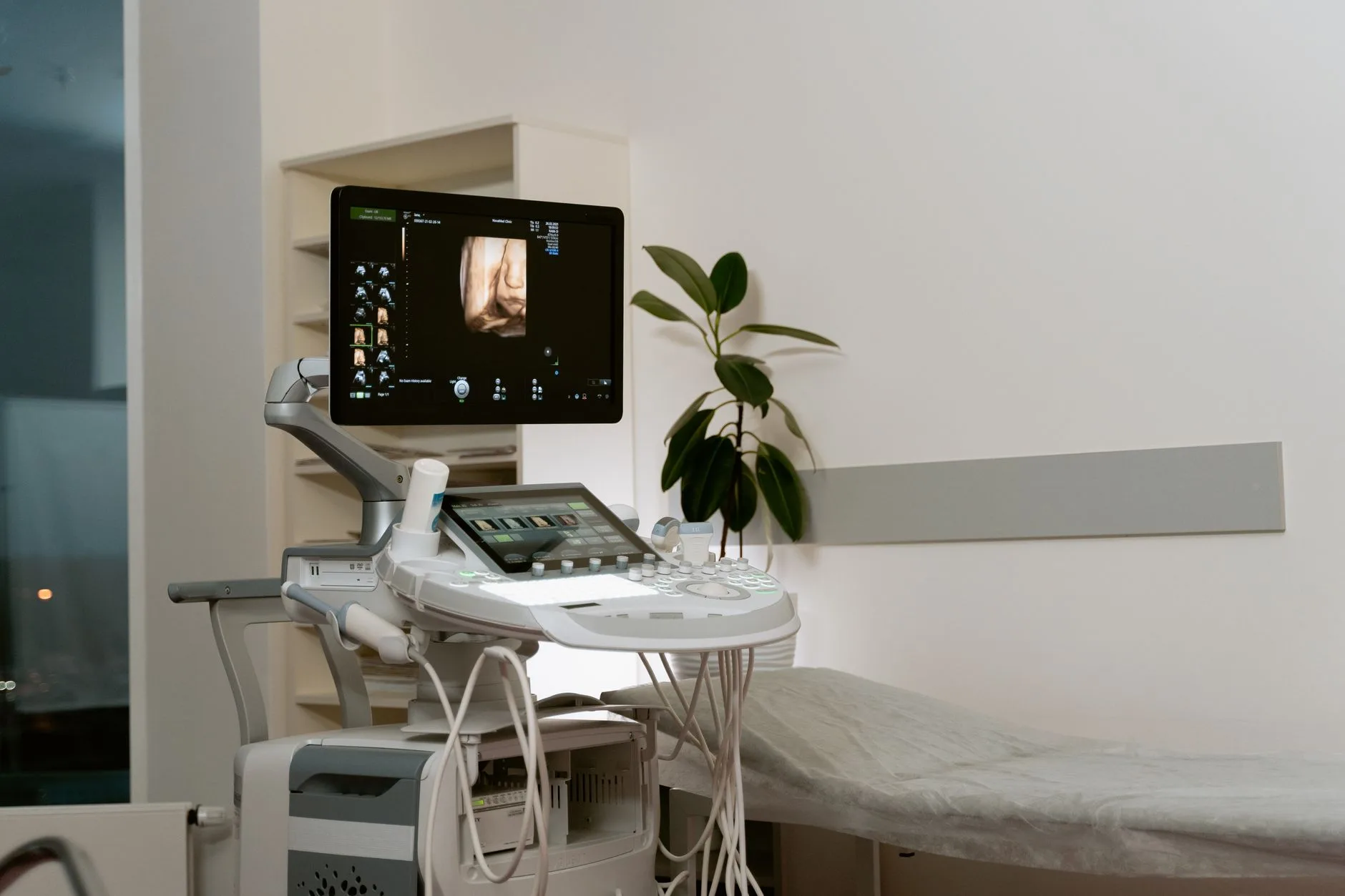
The active medical phase of the egg donation cycle represents the most synchronized and time-sensitive window of the entire process. Once the preliminary medical screenings, psychological evaluations, and legal frameworks are firmly established, the donor transitions into the stimulation phase. During ovarian stimulation, the donor self-administers specialized hormone medications designed to encourage multiple follicles to mature simultaneously, rather than the single egg that typically develops during a natural monthly menstrual cycle. As the Human Fertilisation and Embryo Authority (HFEA) notes, stimulation and subsequent egg collection are the primary in-vitro fertilization (IVF) procedures involved in donating eggs, though regulatory bodies do not always set one strict standard duration for the overall process due to individual physiological variations.
Throughout this medication window, which typically spans approximately eight to twelve days, the donor must attend a series of frequent clinical monitoring appointments. These visits usually involve transvaginal ultrasound scans and blood tests to measure hormone levels, primarily estrogen, ensuring that the follicles are developing appropriately and that the medication dosage is adjusted safely. The sheer density of these medical visits requires significant personal commitment and careful schedule coordination from the donor. Regulatory compliance is also strictly enforced during this pre-retrieval window. For instance, in the United States, FDA regulations—specifically outlined in 21 CFR 1271.80(b)(1)—generally allow an oocyte-donor specimen for infectious-disease testing to be collected up to thirty days before egg recovery, establishing a precise legal boundary for when mandatory screenings must be updated prior to the surgical procedure.
The culmination of this active phase is the egg retrieval procedure itself, a minor surgical intervention performed under conscious sedation or light anesthesia. Guided by ultrasound imaging, a fertility specialist uses a thin, specialized needle attached to an ultrasound probe to aspirate the follicular fluid and retrieve the mature oocytes from the ovaries. The procedure is remarkably swift, usually lasting only about fifteen to twenty minutes, followed by a brief recovery period of a couple of hours at the clinic before the donor is discharged to rest at home for the remainder of the day.
For intended parents, the logistical timeline of this phase varies dramatically depending on whether they choose a fresh or a frozen donor cycle. When utilizing a fresh donor cycle, the recipient’s reproductive schedule or the gestational surrogate’s uterine lining preparation must be meticulously coordinated with the donor’s exact stimulation timeline and retrieval day. This requires a high degree of flexibility, as the exact date of retrieval can shift slightly depending on how rapidly the donor’s follicles respond to the stimulation medications. Conversely, opting for frozen donor eggs can bypass the need to wait for a donor’s retrieval to coincide with the recipient’s treatment cycle, as noted in HFEA guidance on egg donation and freezing, thereby offering a more predictable timeline for those undergoing treatments like IVF with a donor egg.
Managing these moving parts successfully requires careful planning between the fertility clinic, the donor, and the recipients. Whether navigating the strict regulatory testing windows or balancing the daily medication schedules, understanding the nuances of this active medical phase helps families anticipate the pacing of their fertility journey. By respecting the biological realities of ovarian stimulation and the operational requirements of egg retrieval, intended parents can approach this critical milestone with confidence and clarity.
Regulatory Updates and Contemporary Standards in 2026
Navigating the modern egg donation process requires a comprehensive understanding of the evolving legal and compliance frameworks that govern assisted reproductive technology. As the landscape of third-party reproduction matures, regulatory agencies worldwide continue to refine their oversight to ensure maximum safety for both donors and intended parents. In 2026, the intersection of strict federal compliance standards and institutional benchmarks directly influences how clinics schedule, screen, and execute donation cycles, introducing specific procedural checkpoints that can expand the overall timeline.
A major focal point in the regulatory environment involves the stringent screening protocols mandated by governing authorities. In the United States, the foundational legal framework remains anchored in 21 CFR Part 1271, which details comprehensive donor eligibility requirements. Building upon this established baseline, the United States Food and Drug Administration issued critical draft guidance in January 2025 regarding human-cell and tissue donor eligibility. Although this recent publication functioned specifically as draft guidance rather than an immediate replacement for binding statutory requirements, it signaled a decisive shift toward heightened scrutiny. Fertility clinics and tissue banks had to review their internal medical history evaluations, infectious disease testing intervals, and behavioral risk assessments to align with evolving federal expectations, adding careful layers of administrative verification before a donor can be formally cleared for cycle stimulation.
The impact of these compliance measures on the egg donation timeline is multi-faceted. On one hand, enhanced regulatory oversight safeguards the biological material and minimizes clinical risk. On the other hand, the mandatory waiting periods required for comprehensive infectious disease panel results, genetic carrier screening reviews, and legal clearances mean that the preliminary screening phase cannot be rushed. Prospective intended parents must factor these regulatory buffers into their overall scheduling expectations, recognizing that regulatory compliance is a meticulous safeguard rather than a mere administrative hurdle. For those looking at international logistics and legal frameworks, shifting cross-border standards—such as those discussed in broader analyses like Surrogacy in Ukraine 2026: Safety, Law & Logistics—demonstrate that compliance requirements heavily dictate the pace and feasibility of global fertility journeys.
Alongside statutory guidelines, clinical population benchmarks offer vital perspective on operational realities and donor commitment. According to treatment figures reported by the Human Fertilisation and Embryology Authority, egg donors underwent an average of 1.2 donation cycles. It is essential to interpret this metric correctly: this figure represents a population-wide statistical average rather than a rigid clinical rule or a predictive timeline for an individual donor. For a clinic or agency, this benchmark helps monitor repeat donor engagement and physical recovery timelines, ensuring that donors are given adequate physiological rest between successive donations if they choose to participate more than once.
Understanding these dynamics is vital for managing expectations throughout the journey. While clinical protocols dictate the physical synchronization and ovarian stimulation phases—which typically span a few weeks—the administrative, legal, and regulatory clearance phases governed by bodies like the FDA and HFEA require a broader calendar view. By incorporating these contemporary regulatory realities into the planning stage, intended parents and donors can better anticipate the pacing of each procedural milestone, ensuring that safety, ethics, and legal compliance remain at the forefront of modern reproductive care.
Beyond Retrieval: Embryo Development and Transfer Timelines
The egg retrieval procedure marks a monumental milestone in the egg donation and in vitro fertilization journey, but the overarching timeline continues well beyond that single surgical day. According to clarifications by the Human Fertilisation and Embryology Authority (HFEA), egg donation strictly encompasses the retrieval process itself, whereas comprehensive fertility treatment utilizing those resulting eggs naturally extends much further through subsequent steps like fertilization, laboratory culturing, embryo transfer, and ultimately achieving a clinical pregnancy. Understanding how these final stages unfold is essential for intended parents and donors alike who wish to map out the exact time commitment involved in a complete IVF cycle.
Immediately following the retrieval procedure, the collected oocytes are rushed to the embryology laboratory where fertilization takes place. This can be executed through standard insemination or via Intracytoplasmic Sperm Injection, depending on the specific medical recommendations for the intended parents or recipient. Once fertilization is confirmed on the morning following retrieval, the resulting embryos enter a critical culturing phase that typically spans between three to five days. During this developmental window, embryologists closely monitor cell division rates and morphological characteristics. For those looking to dive deeper into how laboratory specialists grade developing cellular structures, reviewing insights on the Evaluation of the Quality of Embryos can provide a clearer picture of how embryologists select the most viable candidates for transfer or cryopreservation.
As the embryos reach either the cleavage stage on day three or the blastocyst stage on day five, the clinical team faces a pivotal decision regarding the timing of the transfer. The overarching timeline branches into two distinct pathways: a fresh embryo transfer or cryopreservation for a later date. In a fresh transfer cycle, the recipient’s uterine lining has been hormonally synchronized to receive the embryo just a few days after the donor’s retrieval. However, many modern clinical protocols increasingly favor a freeze-all approach, allowing the recipient’s body time to recover from preparation medications or accommodating pre-implantation genetic testing.
When embryos are cryopreserved rather than transferred immediately, the timeline extends further to incorporate a subsequent Frozen Embryo Transfer cycle. This specific approach introduces a secondary preparation phase for the recipient, which usually requires several weeks of targeted estrogen and progesterone supplementation to build a receptive endometrial lining. The flexibility offered by cryopreservation is invaluable, as it decouples the donor’s retrieval timeline from the recipient’s transfer timeline, granting medical teams the ability to optimize uterine conditions independently. Furthermore, freezing surplus viable embryos safeguards the investment of the cycle, providing opportunities for future family building without necessitating another complete donor stimulation cycle.
Ultimately, the entire duration from the initial synchronization phase down to the final pregnancy blood test spans roughly six to eight weeks if utilizing fresh transfers, and can stretch across several months if multiple frozen transfer attempts or genetic screenings are integrated into the plan. As outlined by the American Society for Reproductive Medicine (ASRM) in their guidance documents regarding advanced reproductive technologies, careful planning of each chronological checkpoint ensures that both biological safety and optimal implantation rates are prioritized. By recognizing that retrieval is merely the midpoint rather than the conclusion of the protocol, participants can better navigate the emotional and logistical milestones that define the later stages of assisted reproduction.