
Understanding the Donor Egg IVF Success Rate

Navigating the landscape of fertility treatments can be an overwhelming experience for prospective parents, particularly when shifting the focus from standard in vitro fertilization to third-party reproduction. When couples or individuals explore options like our comprehensive Donor program, understanding the baseline metrics of success becomes the most critical step in managing expectations. Unlike traditional IVF cycles where success rates are heavily dictated by the biological age of the intended mother’s own oocytes, donor egg cycles introduce a distinct variable: the biological material originates from a thoroughly screened, younger donor. This fundamental shift completely alters the statistical probability of achieving a successful pregnancy and a live birth. However, making sense of these numbers requires more than just looking at a single percentage point. Patients and healthcare consumers must understand how national data is structured, why denominators matter, and how different stages of treatment skew the metrics presented in clinic reports and national registries.
To interpret fertility data accurately, one must first look at how organizations compile and present reproductive outcomes. In the United States, the Society for Assisted Reproductive Technology publishes extensive annual data detailing the efficacy of various reproductive technologies. According to the Society for Assisted Reproductive Technology’s 2023 Final National Summary Report, the live-birth rates per donor treatment start are reported as 38.5% for fresh donor eggs, 37.9% for frozen donor eggs, and 46.6% for transfers of embryos already created from donor eggs. At first glance, a casual observer might be tempted to compare these three figures directly to determine whether fresh or frozen eggs are inherently superior. Yet, doing so represents a fundamental misunderstanding of reproductive statistics. These three metrics capture entirely different treatment stages and should never be compared as if they rely on the same denominator. Each stage involves unique medical procedures, attrition rates, and clinical decisions that alter the population of patients being measured.
To fully grasp why denominators are essential for patients, one must examine what happens at every step of a clinical pathway. The Society for Assisted Reproductive Technology’s 2023 Final National Summary Report measures donor-egg outcomes per recipient cycle start or embryo thaw, whereas a live-birth rate per embryo transfer explicitly excludes cycles that never reach the transfer stage. For instance, if a recipient cycle starts, but the retrieved donor eggs fail to fertilize, or if the resulting embryos do not survive the thaw or pre-implantation genetic testing process, that cycle is counted in the “per start” denominator. Consequently, the percentage of success drops because all attempted cycles – including those that fail before reaching the uterus – are factored into the equation. Conversely, a success rate calculated strictly “per embryo transfer” only looks at cycles where a healthy embryo actually made it inside the uterus, completely ignoring the patients whose cycles were canceled or whose embryos failed to develop in the laboratory. Therefore, always check the denominator before interpreting a donor egg IVF success rate, as comparing a “per transfer” rate to a “per cycle start” rate is like comparing apples to oranges.
To illustrate how these denominators diverge in clinical practice, consider the distinct pathways a patient might choose when utilizing donated genetic material. Some patients elect to work with fresh donor eggs, requiring synchronized cycles between the donor and the recipient, followed by immediate fertilization and transfer or cryopreservation. Others choose vitrified or frozen donor eggs from a tissue bank, which removes the logistical burden of cycle synchronization but introduces the variable of post-thaw survival rates. A third cohort utilizes pre-created embryos, bypassing the initial ovarian stimulation and fertilization phases entirely. According to the Society for Assisted Reproductive Technology’s 2023 Final National Summary Report, the live-birth rate reaches 46.6% specifically for the transfer of embryos already created from donor eggs. Because these embryos have already survived creation, cultivation, and often genetic screening prior to being counted in this specific transfer-based metric, their success rate per transfer naturally reads higher than a metric tracking every single raw treatment start. Patients who understand these structural nuances are far better equipped to evaluate clinic success rates, ask reproductive endocrinologists the right questions, and establish realistic financial and emotional timelines for their family-building journeys.
Key Egg Donation Success Factors: Donor Age and Oocyte Quality
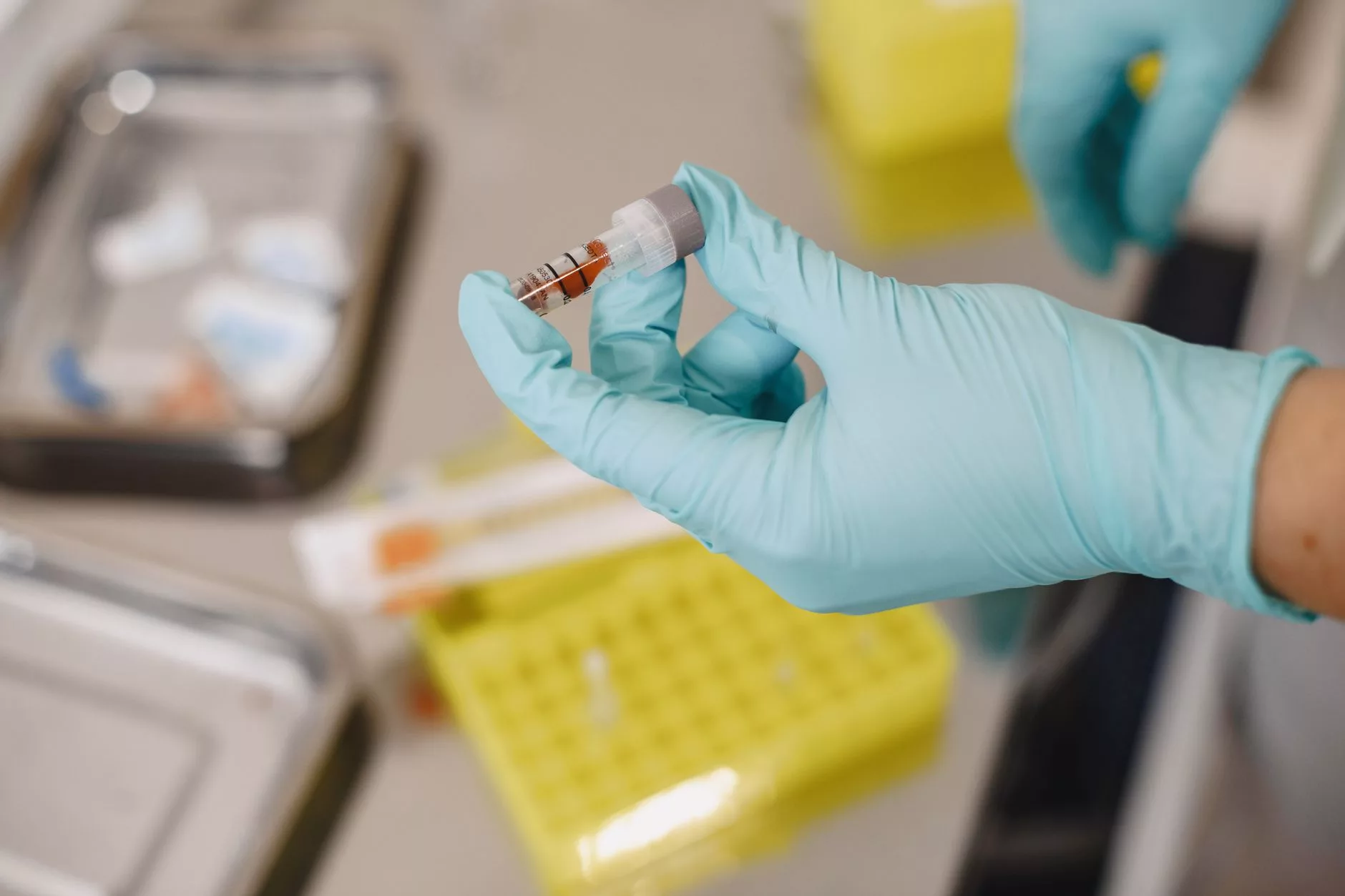
When exploring assisted reproductive technologies, understanding the underlying biological determinants of success is crucial for prospective parents navigating the fertility journey. Among the myriad variables that influence the outcome of an in vitro fertilization (IVF) cycle, the biological age of the oocyte provider stands out as the single most critical parameter dictating embryo viability, implantation rates, and the ultimate probability of a live birth. While uterine receptivity and hormonal optimization play vital supporting roles, the genetic integrity of the egg itself remains the cornerstone of reproductive success. To appreciate why utilizing donated gametes so dramatically alters success curves compared to using one’s own eggs in later reproductive years, one must examine the intricate relationship between chronological age, cellular aging, and chromosomal health.
Cellular aging in human oocytes manifests primarily through structural and functional degradation within the egg’s cytoplasm and nuclear architecture. Throughout a woman’s reproductive lifespan, her eggs remain suspended in prophase I of meiosis. As years pass, the cellular machinery responsible for properly aligning and segregating chromosomes during cell division – known as the meiotic spindle – begins to weaken and degrade. This structural deterioration significantly increases the likelihood of meiotic nondisjunction, a biological error where chromosomes fail to separate evenly. Consequently, the resulting embryos frequently exhibit aneuploidy, meaning they carry an abnormal number of chromosomes. According to the American Society for Reproductive Medicine’s 2024 guidance, these age-related chromosomal anomalies are directly responsible for the precipitous decline in natural and IVF-assisted pregnancy rates in older individuals, as well as a sharp escalation in early miscarriage rates and genetic disorders such as Down syndrome.
To counteract these biological hurdles, fertility clinics enforce rigorous medical and psychological protocols when selecting candidates, ensuring that the biological material retrieved meets optimal standards for fertilization. According to the American Society for Reproductive Medicine’s 2024 donor-evaluation guidance, the preferred demographic window for oocyte donors is strictly defined as individuals aged 21 to 34 years old. This specific age bracket is targeted because individuals in their early twenties to mid-thirties consistently yield oocytes with superior cytoplasmic maturity, robust mitochondrial energy production, and a vastly lower baseline frequency of meiotic nondisjunction. Furthermore, the American Society for Reproductive Medicine’s 2024 guidance specifies that if a prospective oocyte donor is older than 34, clinics must mandate explicit disclosure and comprehensive informed consent, recognizing that even a modest advance in chronological age can introduce subtle shifts in oocyte developmental competence. For patients seeking a comprehensive understanding of how medical facilities evaluate these candidates, reading resources on Egg Donor Screening: How Clinics Choose and Test Donors can provide invaluable transparency into modern reproductive medicine protocols.
The clinical implications of sourcing gametes from young, highly screened individuals are profound. Because the genetic blueprint of a high-quality oocyte is far more likely to be euploid (genetically normal), the resultant embryos demonstrate superior morphological grading, higher blastocyst formation rates, and enhanced resilience during laboratory procedures such as Cryopreservation of Oocytes or Ovarian Tissue. When a euploid embryo successfully implants, the physiological risk of spontaneous pregnancy loss drops precipitously compared to cycles utilizing autologous eggs from patients of advanced maternal age. In essence, utilizing a younger donor effectively resets the biological clock, bypassing the accumulated chromosomal errors of older oocytes and substituting them with the resilient cellular machinery characteristic of the optimal 21–34 age demographic defined by the American Society for Reproductive Medicine’s 2024 framework.
Ultimately, the synergy between donor age and oocyte quality transforms the statistical landscape of fertility treatments. By mitigating the specter of chromosomal aneuploidy, clinics can achieve significantly higher cumulative live birth rates per transfer, reducing the emotional and financial toll of repeated failed cycles. Prospective parents evaluating their options must look beyond basic clinic marketing and understand these core biological realities. Recognizing that high-quality, young oocytes serve as the fundamental engine of successful embryonic development empowers individuals to make informed, medically sound decisions in partnership with their reproductive endocrinologists, bridging the gap between clinical science and family-building aspirations.
Fresh vs. Frozen Donor Eggs: Comparing Current Clinical Outcomes
The ongoing debate surrounding the choice between fresh and vitrified (frozen) donor oocytes is one of the most critical discussions in modern assisted reproductive technology. Historically, fresh donor cycles dominated clinical practice, driven by the persistent misconception that freezing processes inherently compromised the structural integrity of the egg. However, rapid advancements in cryobiology – specifically the widespread adoption of ultra-rapid cooling techniques known as vitrification – have fundamentally transformed laboratory protocols and clinical success metrics worldwide. Today, prospective parents and fertility specialists routinely weigh the operational benefits of both approaches, looking closely at empirical data to guide their decision-making process.
A landmark 2024 practice guideline issued by the American Society for Reproductive Medicine directly addressed this clinical dichotomy. According to the American Society for Reproductive Medicine’s 2024 practice guideline, pregnancy rates achieved per embryo transfer utilizing vitrified donor oocytes are clinically comparable to those executed with fresh donor oocytes. This authoritative stance confirms that the outdated claim asserting fresh eggs always work better is entirely unsupported by contemporary scientific guidance. Consequently, clinical teams can approach frozen oocyte banks with the same level of confidence historically reserved for synchronizing fresh donor-recipient cycles.
To understand how these treatment modalities translate into real-world utilization, one can examine large-scale national datasets maintained by professional registries. According to the Society for Assisted Reproductive Technology’s (SART) 2023 Final National Summary Report, the sheer volume of utilization highlights a major shift in patient preferences and clinical availability. The SART 2023 Final National Summary Report explicitly counts 709 fresh-donor cycles, 2,564 frozen-donor cycles, and a substantial 16,751 thawed donor-embryo cycles within its national outcome categories. These figures illustrate that the reported success rate depends partly on which treatment route is being counted, as frozen-donor and thawed-embryo pathways now account for a significantly larger share of clinical volume than traditional fresh-donor fresh-transfers.
| Treatment Route Category | SART 2023 Final National Summary Volume | Primary Clinical Focus |
|---|---|---|
| Fresh-Donor Cycles | 709 cycles | Synchronized stimulation and immediate transfer |
| Frozen-Donor Cycles | 2,564 cycles | Thawing of banked vitrified oocytes prior to fertilization |
| Thawed Donor-Embryo Cycles | 16,751 cycles | Transfer of previously created and cryopreserved embryos |
Beyond the raw volume numbers, examining the operational workflow reveals distinct practical differences between the two choices. Opting for a fresh donor cycle requires intricate hormonal synchronization between the donor and the recipient, which introduces scheduling complexities, potential delays, and higher logistical overhead. Conversely, utilizing vitrified oocytes from an established repository – such as those available through an international Database of Egg Donors, Ukraine–allows recipients to bypass the extensive waiting periods associated with customized fresh cycles. When dealing with frozen oocytes, the eggs are already retrieved, screened, and safely stored, meaning treatment can commence almost immediately upon completing medical clearances.
It is also worth noting how laboratory technology bridges the gap between these methodologies. Cryopreservation protocols no longer suffer from the ice crystal formation that plagued older slow-freezing methods. Vitrification converts the liquid inside the cell into a glass-like state, preserving the meiotic spindle and minimizing cellular damage. When these eggs are later warmed, fertilized via Intracytoplasmic Sperm Injection (ICSI), and cultured, the resulting blastocysts demonstrate implantation potentials that rival those derived from fresh oocytes. For patients exploring advanced family-building options, understanding whether a standard fresh cycle or a frozen protocol aligns better with their timeline is essential, especially when integrating procedures like a Frozen Embryo Transfer into their overall treatment calendar. Ultimately, clinical success is driven less by whether the oocyte spent time in a cryogenic tank and more by the rigorous quality control of the egg bank, the expertise of the embryology laboratory, and the personalized medical optimization of the recipient’s endometrium.
The Impact of Recipient Factors on IVF Success with Donated Eggs

While utilizing donor eggs fundamentally shifts the primary age-related biological constraint from the recipient’s oocytes to the younger, stringently screened gametes of the donor, the overall physiological environment of the recipient remains a critical determinant of successful implantation and term delivery. Transitioning to third-party reproduction successfully bypasses ovarian aging and chromosomal aneuploidy risks typically associated with advanced maternal age, yet it does not render the recipient’s personal medical profile irrelevant. Fertility specialists and reproductive endocrinologists evaluate a comprehensive suite of recipient-specific variables – ranging from uterine structural integrity and endometrial receptivity to systemic hormonal balance and underlying chronic pathologies – to optimize the likelihood of a healthy live birth. Understanding these nuanced variables helps prospective parents navigate treatments such as those detailed in our IVF with a Donor Egg in Ukraine: A Comprehensive Guide with realistic expectations regarding how their own body interacts with the transferred embryo.
Uterine Health and Anatomical Environment
The primary physiological role of the recipient during a donor egg cycle is to provide a receptive, healthy uterine cavity capable of supporting embryo implantation, placentation, and full-term fetal development. Structural abnormalities within the uterus can severely impede these processes, regardless of the pristine quality of the donor-derived blastocyst. Conditions such as submucosal uterine fibroids, intrauterine adhesions (known as Asherman’s syndrome), congenital uterine anomalies like a septate uterus, and endometrial polyps are routinely investigated via hysteroscopy, saline infusion sonohysterography, or magnetic resonance imaging prior to embryo transfer. Corrective surgical interventions are frequently performed to restore a normal, smooth endometrial cavity, thereby enhancing the probability of successful implantation. Furthermore, chronic endometritis – an asymptomatic inflammation or infection of the inner uterine lining – can disrupt the delicate window of implantation, necessitating targeted antibiotic therapy before any frozen or fresh donor embryo transfer protocol is initiated.
Systemic Health, Chronic Illness, and Metabolic Status
Beyond the immediate confines of the reproductive tract, the recipient’s overall systemic health profoundly influences gestational success and pregnancy maintenance. Chronic medical conditions such as poorly controlled diabetes mellitus, hypertension, thyroid disorders, autoimmune diseases (including antiphospholipid syndrome), and severe thrombophilias can negatively impact placental function and increase the risk of obstetrical complications like preeclampsia, gestational diabetes, and intrauterine growth restriction. Comprehensive preconception medical optimization is therefore a mandatory pillar of care for egg donation recipients. For instance, maintaining strict glycemic control or stabilizing thyroid-stimulating hormone levels within optimal preconception ranges ensures that the maternal metabolic environment supports early embryonic development and subsequent placental vascularization. Additionally, lifestyle factors such as body mass index (BMI), smoking status, and metabolic syndrome indicators heavily correlate with endometrial receptivity and uterine blood flow, directly altering live-birth yields.
Advanced Recipient Age and Uterine Senescence
Although donor eggs effectively neutralize the steep age-related decline in oocyte quality, the physiological aging of the uterus itself continues to play a modulating role in extreme age cohorts. According to a 2025 analysis of Human Fertilisation and Embryology Authority (HFEA) records, clinical outcomes demonstrate distinctly lower live-birth rates and higher miscarriage rates among recipients over the age of 49 compared to younger cohorts aged 35 to 49. This statistical divergence highlights the concept of uterine senescence – a gradual decline in myometrial compliance, endometrial responsiveness, and uteroplacental vascular adaptation that occurs independently of ovarian aging. Consequently, older recipients undergo rigorous cardiovascular, renal, and metabolic screenings to ensure their physical constitution can safely shoulder the physiological demands of a pregnancy, minimizing risks to both the gestational parent and the developing fetus.
| Recipient Age Cohort | Key Observed Trends (HFEA 2025 Analysis) | Primary Clinical Considerations |
|---|---|---|
| Ages 35–49 | Higher baseline live-birth rates; lower spontaneous miscarriage rates per transfer cycle. | Optimal endometrial responsiveness; standard preparatory hormone replacement therapy (HRT). |
| Over 49 Years Old | Lower live-birth rates; elevated miscarriage and obstetrical complication rates. | Age-related uterine senescence; mandatory comprehensive cardiovascular and metabolic clearance. |
Endometrial Preparation and Hormonal Synchronization
Achieving optimal synchronization between the developing donor embryo and the recipient’s endometrium requires meticulously managed hormone replacement therapy. In artificial cycle preparations, exogenous estrogen and progesterone are administered sequentially to stimulate endometrial proliferation and transform the tissue into a secretory, receptive state. The recipient’s physiological response to these exogenous hormones – measured via ultrasound monitoring of endometrial thickness, pattern, and serum progesterone levels – dictates the precise timing of the embryo transfer. Suboptimal endometrial thickness (typically defined as measuring less than seven millimeters) or refractory endometrial linings can compromise implantation rates, requiring customized pharmacological adjustments, such as the addition of low-dose aspirin, pentoxifylline, or granular vaginal support protocols, to maximize the receptivity of the uterine environment.
Decoding National Data: SART and CDC Statistics in 2026
When evaluating the viability and success rates of third-party reproduction, patients and clinical specialists alike turn to comprehensive population-level data compiled by official health agencies and professional societies. In the United States, two primary authorities track and publish exhaustive assisted reproductive technology metrics: the Society for Assisted Reproductive Technology (SART) and the Centers for Disease Control and Prevention (CDC). Understanding these reports requires a careful examination of how metrics are calculated, the specific distinctions between fresh and frozen cycles, and the reality that national averages serve as epidemiological benchmarks rather than individual prognostic guarantees.
To properly interpret these figures, one must first analyze the findings released in the SART Final National Summary Report. According to SART’s 2023 Final National Summary Report, live birth outcomes vary noticeably depending on the specific pathway of embryo utilization. Specifically, the SART 2023 report documents a live birth rate of 46.6% following thawed embryo cycles involving donor eggs. In comparative categories tracked by the same report, live births were achieved in 38.5% of fresh donor-egg cycles and 37.9% of frozen donor-egg cycles. However, reproductive endocrinologists and data scientists consistently emphasize a crucial caveat regarding these SART categories: the report’s metrics begin at different points in the clinical treatment timeline. Because fresh cycles, frozen cycles, and thawed embryo transfers track denominators differently – ranging from egg retrieval stages to initial transfer attempts – these raw percentage comparisons do not establish that one specific treatment option is inherently superior to another for every clinical profile.
Complementing the SART data, the federal public health perspective is detailed in the CDC’s 2022 National ART Summary. When looking at outcomes evaluated strictly on a per-embryo-transfer basis, the CDC’s 2022 National ART Summary reports distinct live-birth percentages across primary treatment types. According to the CDC’s 2022 National ART Summary, the live-birth rate per embryo transfer reached 52.0% for fresh embryos derived from fresh donor eggs, 45.2% for fresh embryos derived from frozen donor eggs, and 45.1% for frozen embryos overall. While these figures illustrate the remarkable efficacy achievable through third-party gametes – frequently outperforming standard in vitro fertilization cycles utilizing a patient’s own aging oocytes – they represent broad U.S. national averages. They are compiled from hundreds of member clinics nationwide and do not constitute direct guarantees for an individual clinic, nor do they predict the personalized success probability for a specific patient navigating their own unique medical history. Patients exploring international options, such as those considering Egg Donation in Ukraine: A Detailed Exploration, often find it useful to cross-reference these standardized domestic benchmarks against global clinical reporting standards to gain a holistic view of modern reproductive medicine.
A persistent challenge in reviewing longitudinal fertility data is the inherent lag between clinical execution and final epidemiological publication. Because tracking an assisted reproductive technology cycle requires following the treatment through pregnancy confirmation, gestation, and live birth delivery – followed by months of data auditing, verification, and federal aggregation – the most current comprehensive national datasets reflect treatments initiated in prior years. Consequently, interpreting 2026 clinical landscapes means looking closely at the most rigorous recently finalized metrics from organizations like the CDC and SART, while accounting for incremental technological advancements in cryopreservation, embryology laboratory media, and endometrial receptivity testing that may influence current-year chair-side consultations.
Furthermore, statistical distinctions between “per cycle started,” “per egg retrieval,” and “per embryo transfer” often cause confusion among prospective parents. A per-transfer metric, such as those highlighted in the CDC’s 2022 National ART Summary, measures success exclusively among cycles that successfully progressed to the transfer stage, thereby excluding cycles canceled due to poor fertilization, developmental arrest, or unforeseen uterine factors. Conversely, broader metrics that evaluate success per initiated cycle account for all attrition points along the journey. Recognizing these denominator differences prevents misinterpretation and allows patients to ask more targeted, realistic questions during initial reproductive endocrinology consultations. Insurance providers and medical policy groups, such as those outlining guidelines in Assisted Reproductive Technology, frequently utilize these multi-tiered data points to establish coverage criteria, define medical necessity, and evaluate clinic performance metrics against national baselines.
Recent Trends and Regulatory Standards in 2026
The landscape of assisted reproductive technology has evolved significantly, driven by shifts in clinical preferences, technological refinement in cryopreservation, and updated reporting frameworks. As clinics and regulatory bodies adapt to a maturing marketplace, understanding the contemporary environment requires examining both institutional metrics and the administrative structures that govern them. For prospective parents navigating third-party reproduction, these modern benchmarks offer essential context regarding how cycles are performed, measured, and regulated across accredited fertility centers.
A defining characteristic of the current treatment landscape is the profound shift in clinical volume toward the utilization of cryopreserved biological materials. According to the 2024 Society for Assisted Reproductive Technology (SART) national report, as summarized by the American Society for Reproductive Medicine in their April 2026 communications (Fertility and Sterility On Air – TOC: April 2026), the sheer scale of modern practice heavily favors cryopreservation. Specifically, the SART data cataloged 516 fresh-donor cycles contrasted with 2,400 frozen-donor cycles. It is vital to note that these counts describe overall treatment volume and logistical preferences rather than comparative success rates between the two methods. This massive preference for frozen donor eggs stems from logistical predictability, synchronized scheduling advantages, and the elimination of the complex coordination required to match a recipient’s cycle directly with a fresh donor’s ovarian stimulation timeline.
Alongside these volume shifts, the administrative reporting standards governing assisted reproduction have undergone critical structural updates to ensure transparency for patients and providers alike. The primary change in national reporting, implemented by SART in their 2023 national summary and maintained through current evaluations, mandates the clear separation of reporting categories. Specifically, data reports now distinctly segregate fresh donor eggs, frozen donor eggs, and thawed embryos created from donor eggs. This granular categorization makes the treatment stage and the denominator especially important when reporting the latest donor egg IVF success rate. Without this precise accounting, aggregate success rates could easily misrepresent the actual efficacy of a specific biological state, confounding patients who are trying to evaluate whether to purchase frozen oocyte banks or undertake a custom fresh retrieval cycle.
Furthermore, these reporting mandates align closely with comprehensive laboratory practices, where maintaining strict oversight on cellular integrity is paramount. Modern clinical guidelines emphasize rigorous verification protocols during oocyte thawing, fertilization, and subsequent blastocyst culture. Understanding cellular development remains a cornerstone for clinical teams and patients; for deeper insight into how laboratory specialists gauge developmental milestones, reviewing the nuances of Evaluation of the Quality of Embryos provides a helpful technical framework. Maintaining high standards in the laboratory directly impacts implantation potential, ensuring that regulatory compliance translates into tangible clinical quality.
Regulatory bodies and international accreditation agencies have also tightened oversight concerning donor screening, infectious disease panels, and genetic carrier testing mandates. As cross-border reproductive travel and commercial egg banking networks expand, standardized compliance guarantees that biological materials meet uniform safety thresholds regardless of where the cycle is physically performed. Clinics are now routinely audited on their chain-of-custody protocols for frozen genetic material, minimizing administrative errors and maximizing traceability. These regulatory improvements protect both donors and recipients, establishing a predictable, standardized framework that supports the remarkably high cumulative success rates historically associated with donor-egg treatment cycles.
Understanding Cumulative Success Rates and Patient Expectations
Navigating the landscape of fertility treatments requires a firm grasp of statistical terminology, particularly when shifting from individual procedures to broader treatment trajectories. When individuals or couples embark on fertility treatments utilising donor oocytes, clinics often present data in two distinct formats: the success rate of a single embryo transfer versus the cumulative success rate achieved across an entire donor cohort. A live-birth rate per transfer is fundamentally different from the cumulative chance of having a baby after utilising every viable embryo generated from one donor cycle. According to the 2023 SART Final National Summary Report, individual cycle-stage outcomes outline immediate per-transfer potential, whereas true cumulative success requires tracking subsequent frozen embryo transfers originating from the same cohort of eggs. This distinction is vital because a single fresh or frozen transfer represents only a snapshot of a patient’s overall treatment journey, whereas cumulative metrics evaluate the broader productivity of the entire biological pool.
To evaluate these outcomes accurately, patients must also understand the precise medical definitions separating intermediate milestones from final endpoints. In reproductive medicine, pregnancy rate, clinical pregnancy rate, and live-birth rate are distinct outcomes that measure entirely different stages of the process. A biochemical pregnancy, indicated by a positive blood test, merely confirms initial implantation and does not guarantee a live birth due to the baseline risk of early pregnancy loss. Therefore, when reviewing fertility clinic statistics or comparing the efficacy of treatments involving donated gametes, patients must rely on live-birth metrics and ensure that comparisons utilise the exact same denominator. According to the Centers for Disease Control and Prevention’s (CDC) 2021 Fertility Clinic Success Rates Report, the national average live-birth rate per first intended retrieval using donor oocytes consistently outpaces autologous cycles across nearly all age brackets, yet individual outcomes still fluctuate based on uterine health, laboratory standards, and the meticulous management of cellular material, which sometimes involves techniques like Cryopreservation of Oocytes or Ovarian Tissue to preserve quality for subsequent attempts.
Setting realistic expectations begins with recognizing that biology is inherently variable, even when utilizing young, rigorously screened donor eggs. While top-tier clinics frequently report per-transfer live-birth rates hovering between 50% and 60% according to the Society for Assisted Reproductive Technology (SART) 2023 provisional data, a single unsuccessful transfer does not mean the entire process has failed. A typical donor cohort often yields multiple high-quality blastocysts, allowing for a series of transfers if the first attempt does not result in a sustained pregnancy. For patients seeking financial and psychological predictability amidst these statistical variables, exploring structured alternatives such as a Guaranteed program can provide a reliable framework, ensuring that the treatment plan accounts for multiple transfer attempts until a successful live birth is achieved.
Furthermore, patients should be wary of confusing clinic marketing metrics with standardized clinical outcomes. Independent analyses, such as those published in the American Journal of Obstetrics and Gynecology’s 2022 registry review, emphasize that cumulative success rates calculated over three consecutive transfers utilizing embryos from a single donor cohort offer a much more realistic picture of ultimate success than isolated per-transfer percentages. When patients look exclusively at single-transfer data, they often experience unwarranted anxiety following a negative result. By shifting the focus toward cumulative outcomes, individuals understand that a comprehensive treatment plan accounts for the statistical probability of attrition – meaning not every embryo will survive thawing, genetic testing, or implantation, but the collective cohort provides multiple probabilistic opportunities for a healthy pregnancy.
Ultimately, bridging the gap between statistical probability and emotional reality requires transparent communication with reproductive endocrinologists and embryologists. Patients must request personalized cumulative prognostic assessments rather than relying solely on generalized national averages or clinic-wide advertisements. By reviewing data that accurately reflects both single-transfer efficacy and multi-transfer persistence, individuals can construct a grounded, resilient roadmap for their family-building journey. Whether managing expectations around initial implantation or planning for supplementary frozen embryo transfers, an educated approach ensures that patients remain empowered, informed, and psychologically prepared for every phase of treatment.