Assisted Hatching in IVF
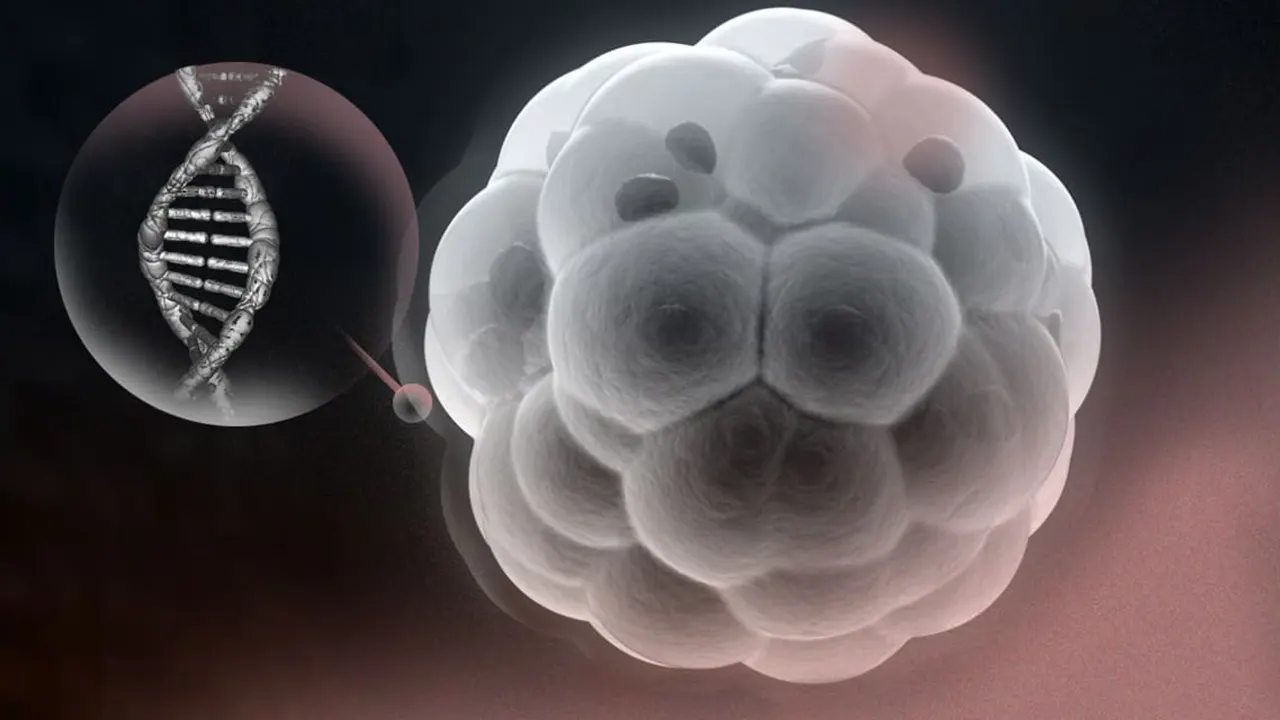
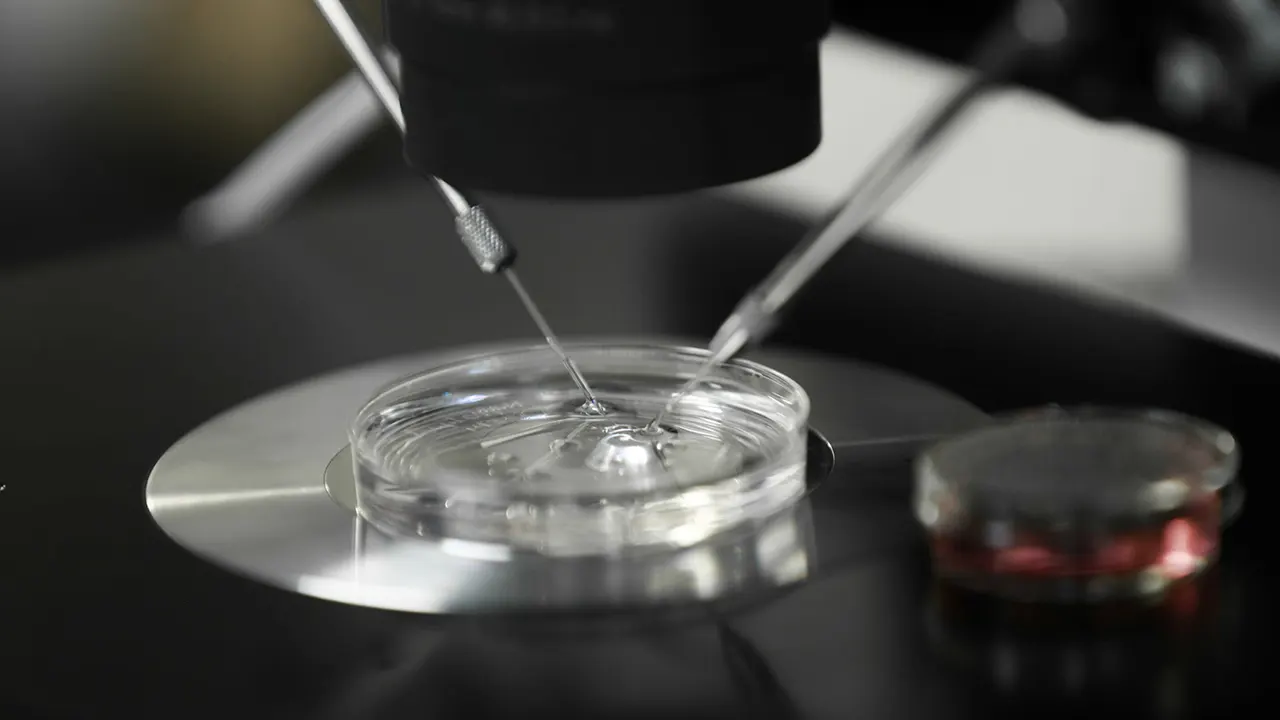
Assisted hatching is a specialized laboratory technique used during in vitro fertilization (IVF) to improve the chances of embryo implantation in the uterus. First introduced in the 1990s, this innovative method has since gained global relevance in reproductive medicine. In countries like the United States, the United Kingdom, and Australia, assisted hatching is a well-established option for patients undergoing IVF. Similarly, in Ukraine, the procedure has become an integral part of advanced fertility treatments, supported by modern clinics and skilled embryologists. The growing adoption of this technique underscores its importance in enhancing IVF success rates worldwide. It involves manipulating the outer shell